Why 90% of Law Firms Fail at Digital Marketing (And How to Be in the 10% That Dominate)
Most law firms are throwing money at digital marketing agencies that can't deliver. Here's why they fail and how smart firms are using AI to dominate their markets.
Why 90% of Law Firms Fail at Digital Marketing
Here’s a hard truth: Most law firms are getting absolutely destroyed by their digital marketing efforts. They’re throwing thousands of dollars every month at agencies that deliver nothing but excuses and vanity metrics.
Sound familiar? You’re not alone.
The Big Lie: “It Takes Time to See Results”
Every bad agency says this. “SEO takes 6-12 months.” “Building authority is a slow process.” “These things take time.”
Bullshit.
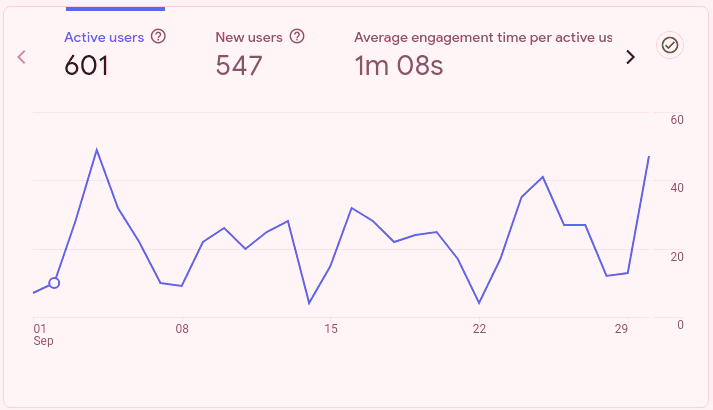
The firms that work with us see traffic increases within 6-9 weeks. Real traffic. Not fake bot traffic or irrelevant clicks. Traffic from people who need lawyers and are ready to hire.
Why Traditional Agencies Keep Failing
1. They Don’t Actually Use AI (They Just Say They Do)
Every agency claims to be “AI-powered” now. Most of them are using the same outdated methods from 2015, just with better marketing copy.
Real AI marketing means:
- Automated content optimization based on search patterns
- Predictive analytics for keyword opportunities
- Competitor analysis at scale
- Performance prediction and adjustment
2. They Hold Your Digital Assets Hostage
This one makes our blood boil. Agencies that build your website on their proprietary platform, then threaten to take it down if you leave.
You should own everything. Your domain, your hosting, your content, your data. If an agency won’t give you full control, run.
3. They Focus on Vanity Metrics, Not Cases
“Your impressions are up 200%!” Cool. How many new clients did that bring in?
“Your rankings improved!” Great. For which keywords? Are people actually searching for those terms?
The only metrics that matter: qualified leads, consultations booked, and new cases signed.
What Actually Works: The AI Advantage
Law firms that dominate their markets are using AI to:
Identify High-Value Opportunities While your competitors are guessing which keywords to target, AI identifies the exact search terms your potential clients use when they’re ready to hire.
Create Content That Converts AI analyzes thousands of successful law firm websites to understand what content actually drives phone calls and case inquiries.
Optimize in Real-Time Instead of waiting months to see what’s working, AI adjusts your strategy based on performance data every single day.
Predict Market Changes AI can identify algorithm updates and market shifts before they impact your rankings, keeping you ahead of competitors.
The Results Speak for Themselves
Our clients see average traffic increases of 347% within 9 weeks. Not because we’re magic, but because we’re using technology that most agencies either don’t understand or don’t want to invest in.
Take Kim Brown, a Senior Employment Attorney who told us: “We began seeing an increase in organic traffic within 9 weeks. The phones started ringing shortly after that. We haven’t been able to hire fast enough for all the business we’ve been getting.”
Stop Getting Jerked Around
If your current agency can’t show you exactly how many new cases their work has generated, fire them.
If they’re holding your website hostage, fire them.
If they keep making excuses about why results are taking so long, fire them.
The firms that win in 2024 and beyond will be the ones using AI-powered marketing to dominate local search results while their competitors are still arguing about whether digital marketing “works” for law firms.
Ready to stop getting jerked around? Get your free strategy session here and see what real AI-powered marketing can do for your practice.
This article was written by the team at Wolfe Services, specialists in AI-powered digital marketing for law firms. We’ve been helping legal practices dominate their markets for over 20 years.